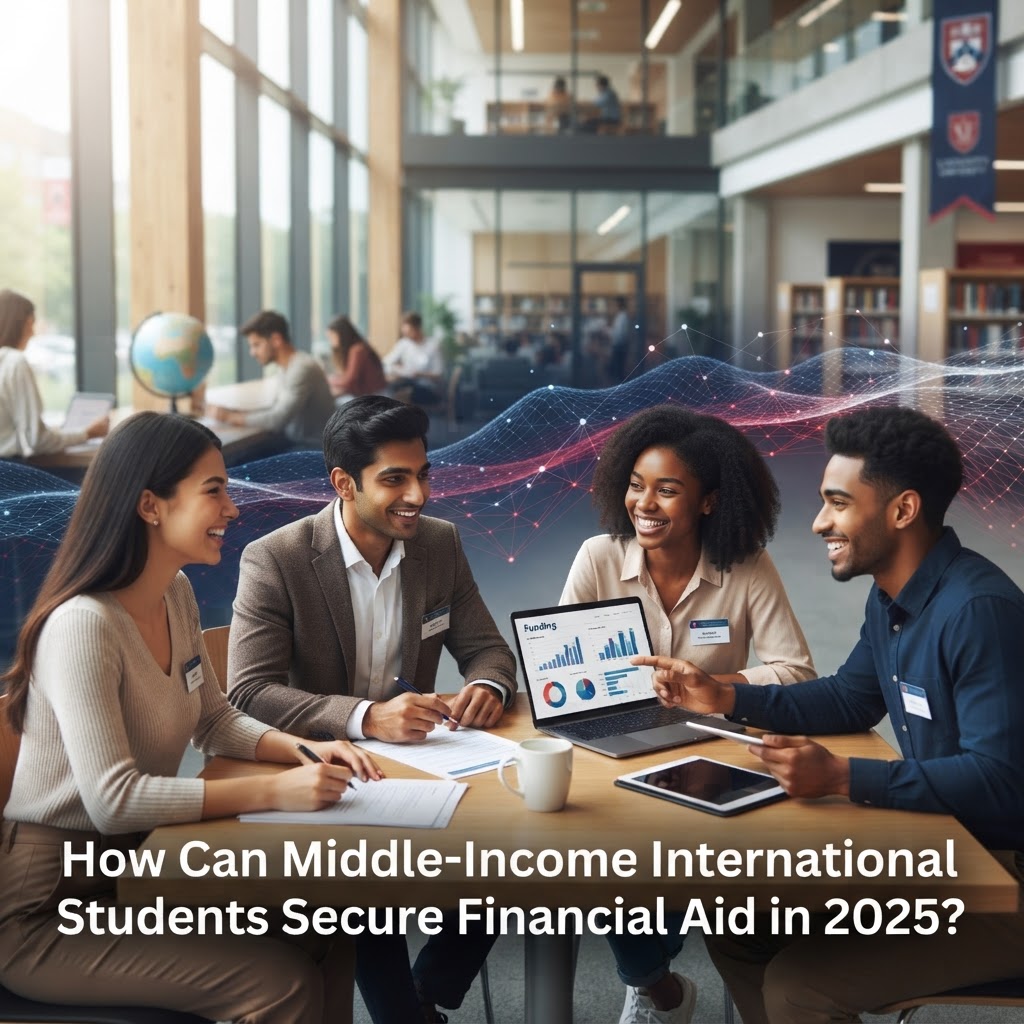
Navigating Financial Aid for Middle-Income International Students in 2025
For many international students, the dream of studying in the United States often hits a wall when faced with tuition costs. While ultra-wealthy students have personal resources and low-income students may qualify for specific global grants, middle-income students often fall into a 'funding gap.' However, with strategic planning, securing financial aid for middle income international students is an achievable goal in 2025.
Understanding the Financial Aid Landscape
In the U.S. higher education system, financial aid is typically categorized into merit-based and need-based awards. As an international student, you are generally ineligible for federal U.S. government aid, such as the FAFSA. However, universities themselves have dedicated pools of funding.
Merit-Based Scholarships: Your Primary Target
Merit scholarships are awarded based on academic excellence, leadership, or specialized talents. Because these awards do not account for financial need, they are the most accessible route for middle-income students. To maximize your chances, focus on high-impact extracurriculars and a strong standardized test profile.
Institutional Need-Based Aid
Some private universities practice 'need-aware' or 'need-blind' admission for international students. Research schools that explicitly state they meet 100% of demonstrated financial need. Even if you are not from a low-income bracket, being able to articulate your family's specific financial constraints through a CSS Profile or institutional forms is critical.
Actionable Strategies for 2025 Applicants
Preparation is the key to unlocking funding. Here is how you can position yourself for success:
- Research 'Financial Aid Packages' vs. 'Sticker Price': Look for universities with large endowments that prioritize international diversity.
- Leverage Private Scholarships: Look beyond the university level. Organizations like the Rotary Foundation, Aga Khan Foundation, and regional government-sponsored programs provide grants that follow the student rather than the institution.
- Highlight Your Unique Contribution: Universities aren't just looking for grades; they are looking for students who add value to the campus culture. Emphasize your background and how it enhances the global perspective of the classroom.
How to Appeal for More Aid
If you have received an offer but the financial package falls short, don't be afraid to appeal. This process, often called 'professional judgment,' allows you to share changes in your financial situation, such as job loss, medical emergencies, or currency fluctuations in your home country. Be professional, data-backed, and direct when communicating with financial aid offices.
Pro-tip: Always demonstrate that you are a serious candidate who is committed to the institution. A polite, well-reasoned appeal letter can sometimes lead to an increase in your award package.
Conclusion: Take the Leap
While the cost of U.S. education is significant, the return on investment through global networking and academic prestige is unmatched. By focusing on merit-based opportunities, selecting the right institutions, and being transparent about your financial needs, you can bridge the gap and turn your study abroad aspirations into reality.