Embracing Student Life in the Philippines
As an international student, your choice of destination often balances academic prestige with personal growth. Student life in the Philippines for international students is a unique tapestry of vibrant hospitality, rapid urbanization, and a deep-seated tradition of academic excellence. Having spent years advising students on their global mobility, I have seen the Philippines emerge as a top-tier choice for those seeking an English-speaking environment within Southeast Asia.
Understanding Filipino Culture: The Concept of 'Pakikisama'
One of the first things you will encounter is the concept of Pakikisama, or the art of getting along with others. Filipino culture is deeply communal. On campus, you will find that collaboration is favored over cut-throat competition. This is not just a social trait; it is a way of life that extends into the classroom.
The Role of Hospitality in Campus Life
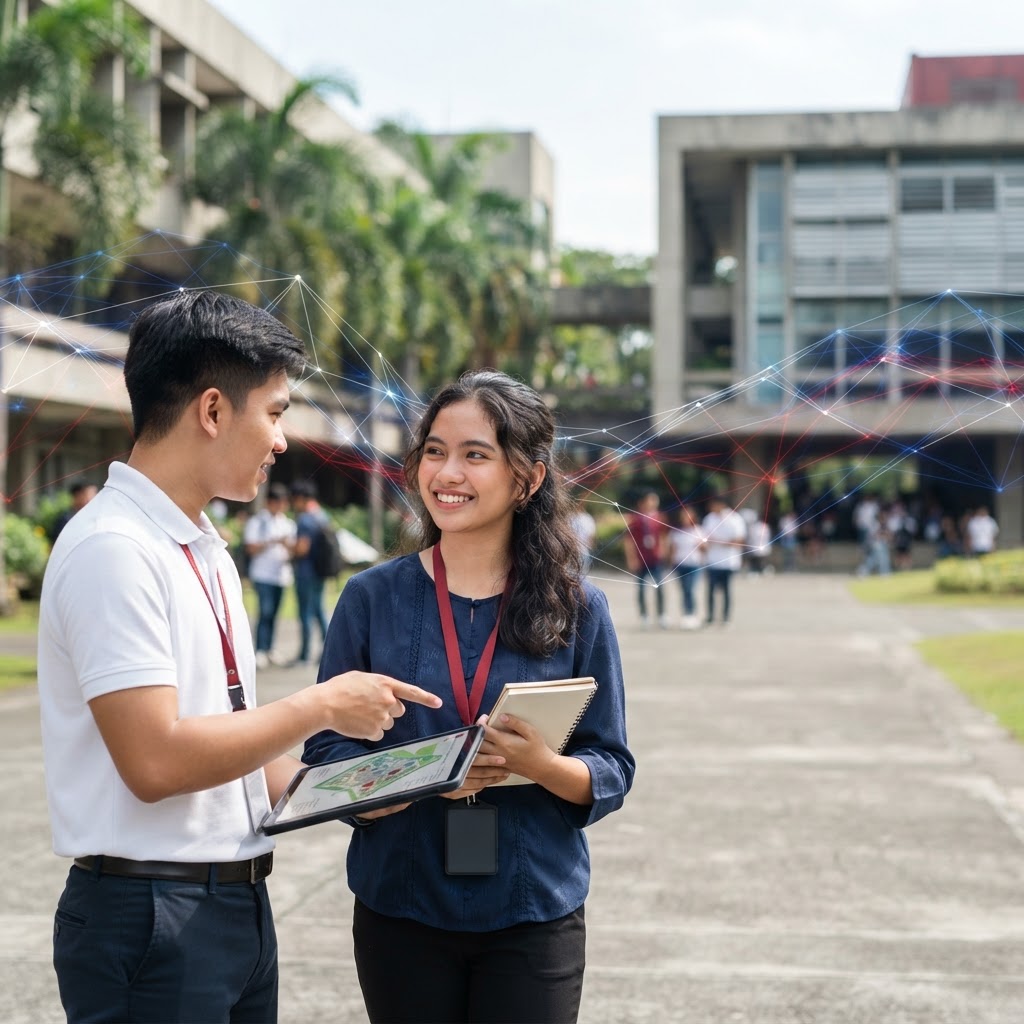
Filipinos are globally renowned for their hospitality. You will find that local students and faculty are often eager to help international arrivals navigate everything from enrollment processes to finding the best local street food. Don't be surprised if you are invited to a family gathering or a local festival early in your stay; it is the Filipino way of saying welcome.
From the field: In my years of consulting, the most successful students are those who lean into this communal culture early. I often advise students that the 'barrier' to making friends in the Philippines doesn't exist. If you find yourself eating lunch alone, it is only because you haven't been asked to join a group yet. Accept the invites—that is where your true network begins.
Essential Preparations for International Students
Beyond culture, practical preparation is key to a stress-free move. According to the Commission on Higher Education (CHED), the Philippines has streamlined many processes for international degree-seekers, but you must remain diligent with your documentation.
- Visa Compliance: Ensure you are familiar with the 9(f) Student Visa requirements. Never enter the country on a tourist visa if you intend to convert it later without professional guidance.
- Financial Planning: While the cost of living is relatively affordable compared to the US or UK, always keep a buffer for unexpected medical or travel expenses.
- Health and Safety: Check the latest health advisories from the Department of Health to ensure your vaccinations and insurance are up to date.
Navigating the Education System
The Philippines uses an education system heavily influenced by the American model. This makes the transition easier for students from Western institutions. Most major universities, such as those ranked by QS Top Universities, offer courses entirely in English, which remains the primary language of instruction for higher education.
What to Expect in the Classroom
Classroom dynamics are generally respectful and hierarchical. Students are expected to address professors with titles like 'Professor' or 'Doctor.' Engagement is encouraged, but it is often done with a high degree of courtesy. If you have a disagreement regarding an assignment, approach your instructor during office hours rather than challenging them publicly.
Final Advice for Your Journey
Transitioning to life in a new country is as much a psychological move as a physical one. Be prepared for 'Manila time'—a more relaxed approach to scheduling than you might be used to—and remain open to the tropical climate and the bustling pace of life in cities like Quezon City or Cebu.
Disclaimer: This content is for informational purposes only and does not constitute legal or financial advice. Always consult with your institution's international student office regarding specific visa or enrollment queries.
⚠️ Last verified: 2026-10-20. Policies and fees change frequently — always confirm with the official source linked above before making decisions.