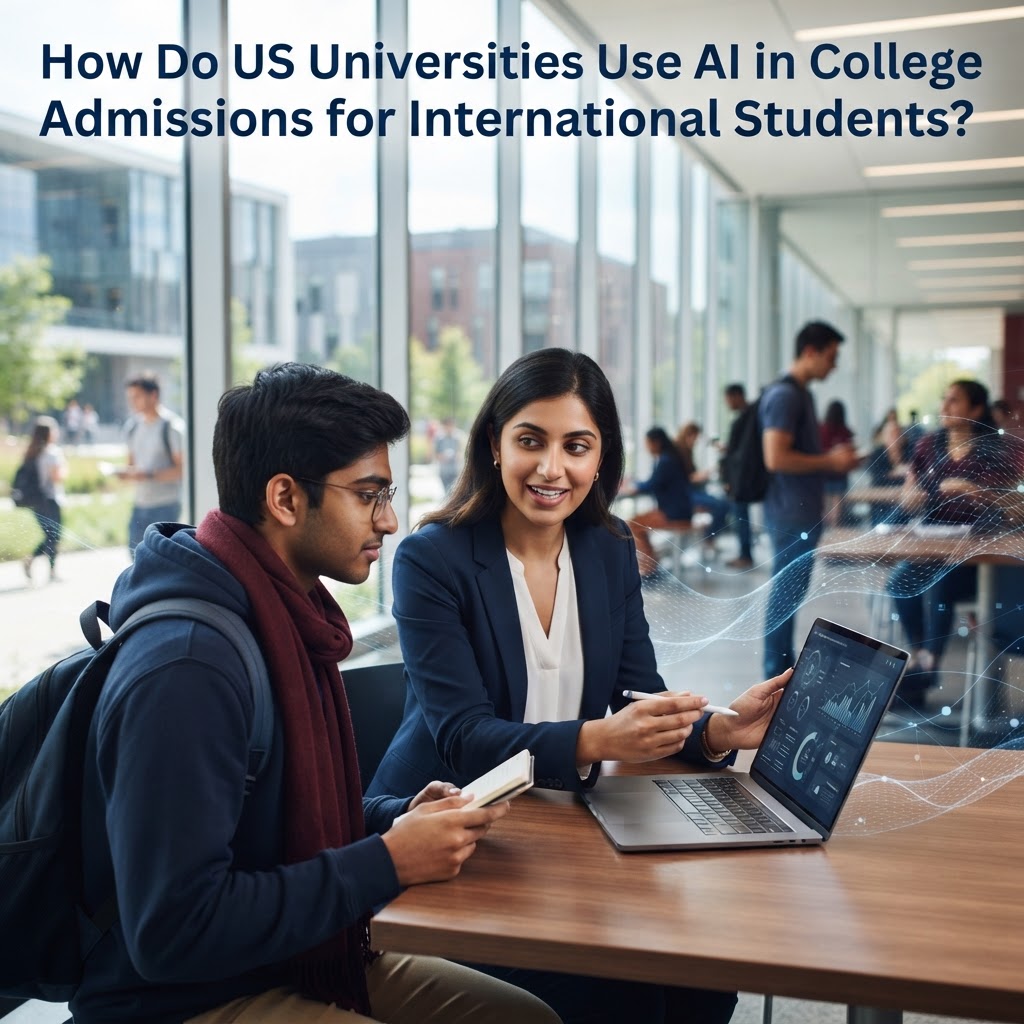
The Shift Toward Intelligent Admissions
The landscape of US higher education is undergoing a digital transformation. With record-breaking application volumes at top-tier institutions, university admissions offices are increasingly turning to AI in college admissions to streamline their review processes. For international students, this shift raises critical questions about transparency, fairness, and the changing criteria for acceptance.
How Are Universities Using AI to Screen Applications?
Universities are not using AI to make final 'yes' or 'no' decisions. Instead, they utilize sophisticated algorithms to handle the 'top-of-funnel' administrative burden. Current applications include:
- Automated Document Processing: AI tools extract and verify data from international transcripts, which often vary in format across different national education systems.
- Trend Analysis: Algorithms identify patterns in historical data to predict the likelihood of an applicant’s success at a specific institution based on their academic background.
- Plagiarism and Integrity Screening: AI-powered software cross-references personal statements against global databases to ensure originality, which is vital for students from diverse cultural backgrounds where essay-writing norms may differ.
Why Is AI Being Integrated into the Admissions Workflow?
The primary motivation is efficiency. Admissions officers at institutions like Harvard or UCLA receive tens of thousands of applications annually. AI helps categorize these documents, allowing human readers to focus on qualitative elements—like essays and extracurricular involvement—rather than data entry. Furthermore, AI helps bridge the gap in understanding international grading systems, providing a standardized baseline that helps admissions committees compare a student from India against one from Brazil or Germany on a more equitable scale.
Are There Risks to Using AI in Admissions?
While efficiency is a benefit, concerns about algorithmic bias remain a hot topic in academic circles. There is a fear that AI models trained on past data might inadvertently perpetuate biases against students from specific regions or underrepresented schools. However, most leading universities in the US are currently employing 'human-in-the-loop' systems, ensuring that AI-generated insights are merely one piece of a larger, human-centric evaluation puzzle.
How Should International Students Prepare for AI-Enhanced Admissions?
If you are an international applicant, you should view these changes as an opportunity to be more precise with your data. Here is how you can ensure your application stands out:
- Be Clear and Consistent: Because AI tools often look for specific data points, ensure your transcript information matches exactly what you input into platforms like the Common App.
- Authenticity Matters: AI detection tools are highly advanced. Never use AI tools to write your essays. Your personal statement should remain a reflection of your unique voice, history, and motivations.
- Highlight Context: AI can struggle with nuance. Use the 'Additional Information' section of your application to explain your unique educational context if it is not captured well by standardized metrics.
At Godmode, we believe that understanding the mechanics of the system empowers students to navigate it with confidence. While technology plays a growing role, the core of your application remains your story. By focusing on academic rigor and authentic self-expression, you will remain competitive regardless of the screening tools involved.