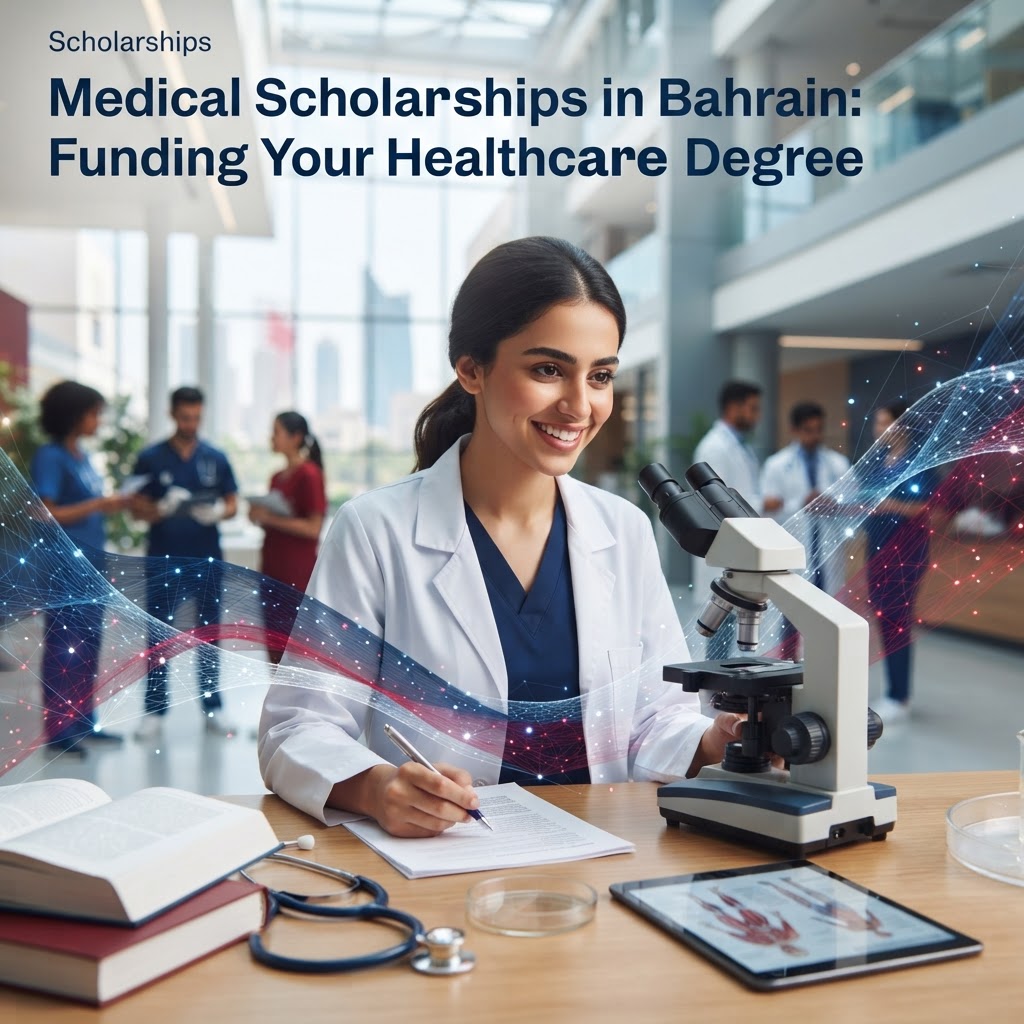
Navigating Financial Support for Medical Education in Bahrain
Pursuing a career in medicine is both a noble and demanding endeavor, often accompanied by significant financial hurdles. For students aiming to study in the Kingdom of Bahrain, understanding the landscape of medical scholarships in Bahrain is essential. As an expert who has tracked international education funding for years, I have seen how strategic planning can transform a dream into an affordable reality.
Bahrain has rapidly become a hub for high-quality medical education in the GCC, attracting students who seek rigorous clinical training and international exposure. However, because medical tuition fees can be high, securing a scholarship is often a top priority for prospective students.
Top Universities Offering Medical Programs in Bahrain
When selecting a school, look for institutions with strong clinical partnerships and international accreditation. Here are the leading institutions where you may find opportunities for financial support.
1. Royal College of Surgeons in Ireland (RCSI) – Medical University of Bahrain
RCSI Bahrain is arguably the most prestigious medical institution in the country. Operating as a constituent university of the RCSI in Dublin, it offers a world-class curriculum based on international standards.
- Why it's featured: It maintains close ties with the Bahraini healthcare system and the Irish medical community.
- Key Highlights: The university is known for its intensive clinical training, research-led teaching, and high employment rates for graduates within the region.
2. Arabian Gulf University (AGU)
Founded by the Gulf Cooperation Council (GCC) countries, AGU is a regional pioneer in medical education and research. It focuses on medical innovation and regional healthcare challenges.
- Why it's featured: AGU often facilitates regional government scholarships, making it a highly accessible choice for GCC nationals.
- Key Highlights: The university boasts a state-of-the-art medical center and a curriculum specifically tailored to the epidemiological needs of the Middle East.
From the field: In my years reviewing applications, the most common mistake I see is students waiting until after they are admitted to look for scholarships. The most competitive funding, particularly government-backed grants, often requires you to be in the process of applying to the university simultaneously. Always start your financial research three to six months before your academic application deadline.
Types of Scholarships Available
Securing medical scholarships in Bahrain typically involves navigating three primary channels:
- Government-Sponsored Scholarships: The Ministry of Education in Bahrain offers various scholarships for high-achieving students, including those in the healthcare sector.
- Institutional Merit Awards: Universities like RCSI Bahrain periodically offer partial tuition scholarships based on academic excellence and entrance exam performance.
- Corporate and Private Sponsorships: Many private hospitals and healthcare groups in Bahrain invest in the future workforce by offering "bonded scholarships," where they cover your tuition in exchange for a commitment to work at their facility after graduation.
How to Maximize Your Chances
When I advise students applying for medical programs, I emphasize the importance of a compelling personal statement. While your GPA and entrance exam scores get your foot in the door, your extracurricular experiences and volunteer work in clinical settings define your candidacy for competitive scholarships. Ensure that your narrative aligns with the mission of the scholarship provider—be it community service, research potential, or leadership skills.
Important Considerations for International Students
If you are an international student, ensure you review the visa requirements outlined by the Nationality, Passports and Residence Affairs (NPRA). Studying abroad in Bahrain requires a valid student visa, and some scholarships may be contingent upon your ability to secure one. Always cross-reference your eligibility criteria with the official university portals.
Disclaimer: This content is for informational purposes only and does not constitute legal or financial advice. Always consult with official institutional channels before finalizing your academic or financial plans.
⚠️ Last verified: 2026-10-01. Policies and fees change frequently — always confirm with the official source linked above before making decisions.