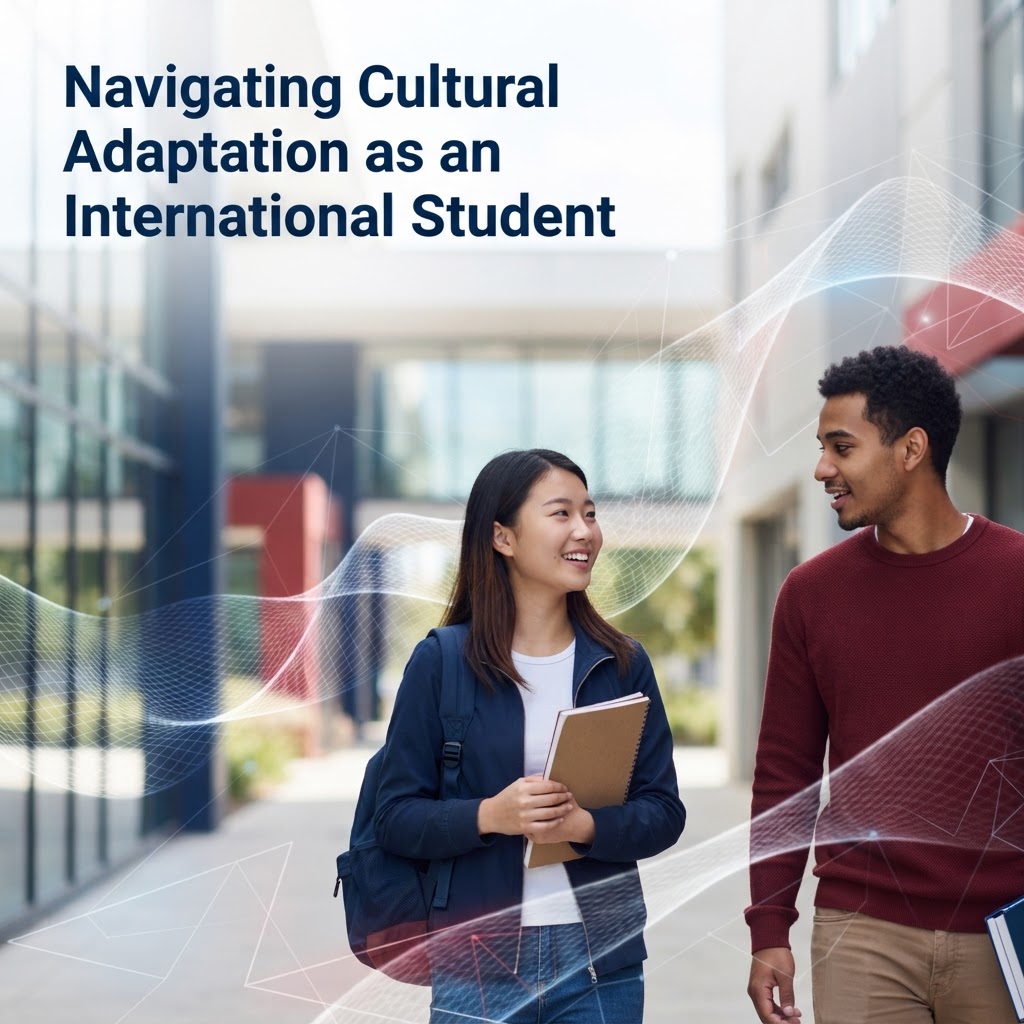
Embracing the Cultural Transition
Moving to a new country is an exhilarating, albeit challenging, endeavor. From my professional background in international education, I have watched thousands of students navigate the 'culture shock' cycle. The key to successful adaptation is to approach your new environment with curiosity rather than judgment. According to resources from the ICEF Monitor, students who actively participate in campus culture report significantly higher levels of satisfaction and academic performance.
Understanding the Stages of Adjustment
Expect to go through phases. Initially, there is the 'honeymoon' phase where everything is exciting. This is often followed by a period of frustration as the realities of living alone in a foreign country set in. Recognizing that this is a normal psychological process is the first step toward adaptation. It is okay to miss home, but try to seek out new experiences that ground you in your host city.
From the field: When I advise students, I always tell them that the most important thing they can do in their first month is join *one* club outside of their major. Whether it is a chess club, a hiking group, or a volunteer organization, having a community that is not based on your academic work is essential for mental well-being.
Building Your New Support Network
Diversity is the greatest strength of any international campus. Make an effort to connect with both local students and other international students. Host institutions often have orientation programs that are specifically designed to help you integrate; these are invaluable resources for finding your footing. Don't be afraid to reach out to university services that support international students, as they are equipped to handle everything from social integration to minor administrative hurdles.
Strategies for Integration
- Join student societies or campus organizations.
- Practice the local language in social settings, even if you are not fluent.
- Explore your new city beyond the university campus.
- Maintain a connection to your home culture while building your new one.
Remember that cultural adaptation is a marathon, not a sprint. Be patient with yourself. By staying open-minded and proactive, you will not only survive the transition but thrive in your new home. Whether you are studying in the UK, the US, or elsewhere, the friendships you make during this time will often be the most lasting souvenirs of your international education journey.
Disclaimer: This content is for informational purposes only and does not constitute legal or financial advice. Always consult with official university support services.
⚠️ Last verified: 2026-10-25. Policies and fees change frequently — always confirm with the official source linked above before making decisions.