The Countdown to Your US Spring Semester
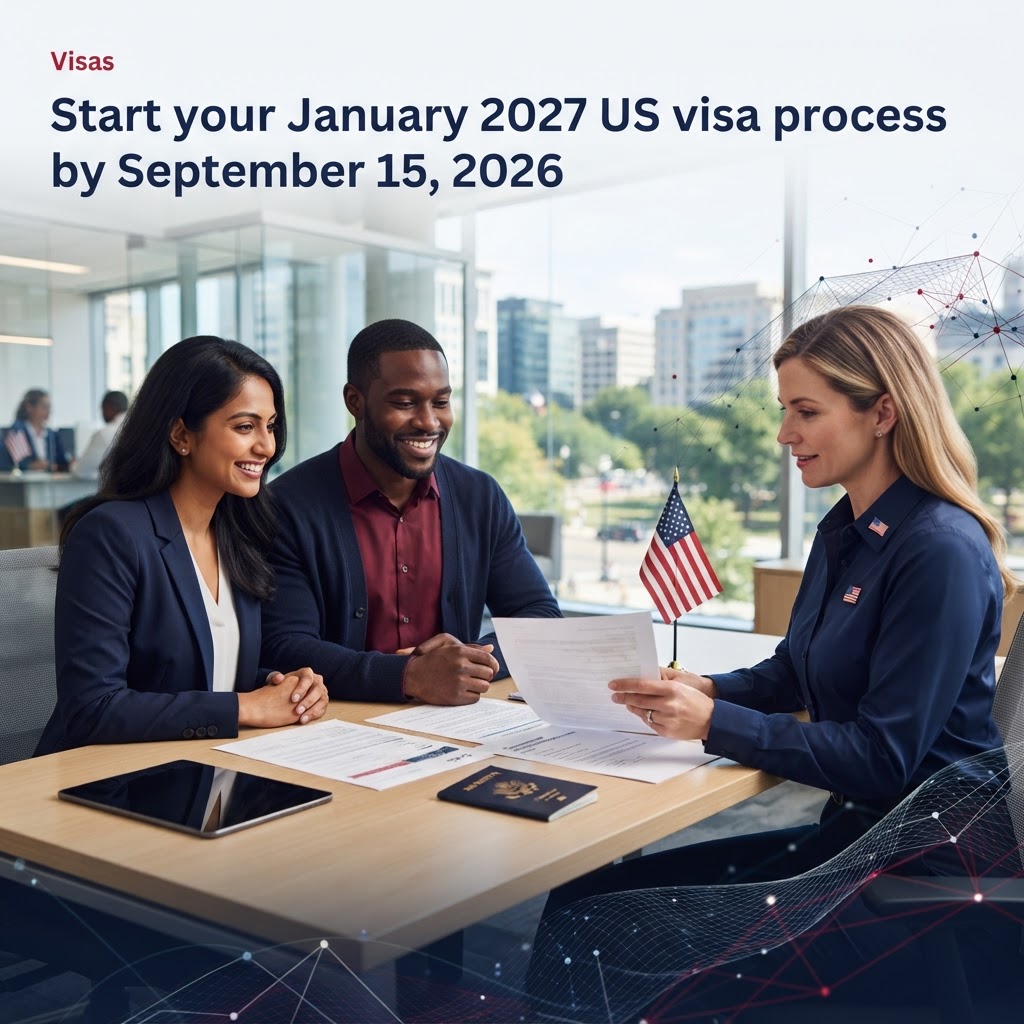
For many international students, the dream of studying in the United States begins with the challenge of the visa process. While many focus solely on acceptance letters, the true hurdle often lies in the timeline. If you are targeting a January 2027 intake, the administrative clock is already ticking. To avoid the logistical nightmare of processing delays, you must initiate your visa application no later than September 15, 2026.
Why the September Deadline Matters
The US Department of State manages a complex ecosystem of visa processing. When you apply for an F-1 or M-1 visa, you are competing for limited interview slots at local consulates and embassies. According to the U.S. Department of State, visa wait times for interview appointments can fluctuate wildly based on your specific consular post. By starting your process in mid-September, you are front-loading your preparation, giving yourself a buffer against administrative backlogs that typically spike in the final quarter of the year.
Phase 1: Securing Your I-20 Form
Before you even dream of an interview, you need your Form I-20, which is issued by your university's International Student Office. Many institutions will not issue this document until you have provided proof of financial support. Ensure your bank statements, sponsorship letters, or scholarship documentation are ready by early August. If your school requires a specific internal portal submission to trigger the I-20 creation, mark that date on your calendar in bold ink.
Phase 2: The DS-160 and Fee Payments
Once you have your SEVIS ID from your I-20, you must complete the DS-160 online non-immigrant visa application. This is not a task for a rushed evening; it requires extreme accuracy. Any discrepancy between your I-20 details and your DS-160 can lead to an automatic denial or long processing delays. After submission, pay the SEVIS I-901 fee and the visa application fee promptly. Keep your receipts as physical artifacts, as you will need them on the day of your interview.
From the field: In my years advising students at international offices, the most frequent point of failure isn't the interview itself, but the 'lost' documents. I once worked with a student who was denied an interview slot in December simply because they waited until November to finalize their affidavit of support. The university bureaucracy and the consular queue are two separate systems; don't assume that just because your school is ready, the consulate will have an open chair for you.
Phase 3: The Consular Interview Strategy
The EducationUSA network consistently emphasizes that your interview is a brief, high-stakes conversation. You must be prepared to prove your 'non-immigrant intent.' This means convincing the consular officer that you plan to return home after your studies. Prepare your evidence: academic transcripts, standardized test scores, and a clear explanation of how this US degree fits into your post-graduation career path in your home country.
The Impact of Holiday Closures
Remember that November and December are filled with federal holidays in the US and local observances in your home country. Consulates operate on reduced schedules. If you delay your application until late October, you are essentially gambling that your administrative processing (the period after the interview where the visa is physically printed) will be completed without interruption. Starting by September 15th places you in the 'safe zone' for the January 2027 intake.
Checklist for Your September Sprint
- Verify your university’s I-20 issuance timeline.
- Aggregate all financial documents, ensuring they meet the 'liquid assets' criteria.
- Check the specific visa wait times for your local consulate on the official U.S. State Department website.
- Complete your DS-160 and double-check every digit of your SEVIS ID.
- Schedule your interview as soon as you have your I-20 in hand, even if the date is months away; you can often reschedule later if a better slot opens.
By treating the visa application with the same professional rigor as your academic degree, you ensure that your focus remains on your studies rather than on bureaucratic anxieties. This proactive approach is the hallmark of a successful international student.
Disclaimer: This article provides general information and does not constitute legal or immigration advice. Immigration laws are complex and subject to change. Always consult with your university's International Student Office or a qualified immigration attorney regarding your specific situation.
⚠️ Last verified: 2026-11-20. Policies and fees change frequently — always confirm with the official source linked above before making decisions.