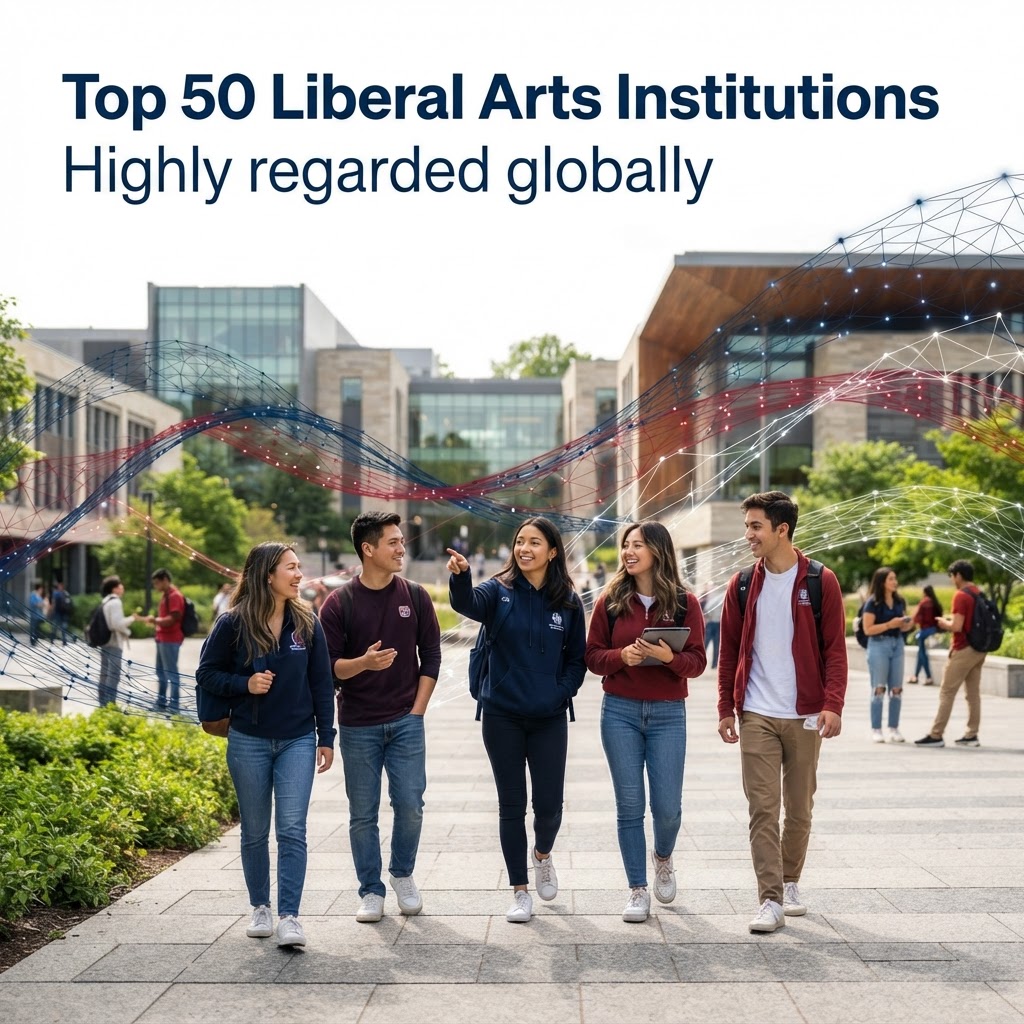
Exploring the World of Liberal Arts Education
For international students, choosing the right path for higher education is a pivotal decision. While many gravitate toward specialized vocational or technical schools, the appeal of a liberal arts education remains unmatched for those seeking to cultivate critical thinking, adaptability, and intellectual breadth. A liberal arts institution provides an environment where interdisciplinary study is encouraged, ensuring students are not just specialists in one area, but thinkers who can navigate complex global challenges in an increasingly automated world.
What Defines a Top Liberal Arts Institution?
Top-tier liberal arts colleges are characterized by their small class sizes, focus on undergraduate teaching, and a commitment to broad-based academic inquiry. Unlike large research universities, these institutions prioritize personal mentorship between faculty and students. This environment is ideal for developing strong communication skills, research capabilities, and a global perspective that is highly valued by modern employers.
Why International Students Choose Liberal Arts
International students often choose liberal arts colleges because they offer a holistic education. The curriculum is designed to explore the connections between sciences, humanities, and arts. Furthermore, the residential nature of these colleges fosters a strong, diverse community that prepares students for global citizenship.
The Top 50 Liberal Arts Institutions Globally
Below are 50 of the most highly regarded institutions. Each has been selected for its academic rigor, history, and commitment to the liberal arts tradition.
- Williams College (USA): Located in Williamstown, Massachusetts, Williams is consistently ranked as one of the best colleges in the US. It is famous for its tutorial system where two students study with a professor for a full semester.
- Amherst College (USA): Located in Massachusetts, Amherst is known for its open curriculum, allowing students to design their own path of study. It is highly selective and boasts an exceptional faculty-to-student ratio.
- Swarthmore College (USA): A rigorous institution near Philadelphia, Swarthmore is famous for its honors program and commitment to social responsibility.
- Pomona College (USA): The founding member of the Claremont Colleges in California, Pomona offers the resources of a large research university within a small, intimate liberal arts environment.
- Wellesley College (USA): A prestigious women's college that has educated many world leaders. It is known for its strong STEM programs and inclusive community.
- Bowdoin College (USA): Located in Maine, Bowdoin is well-regarded for its environmental studies programs and focus on public good.
- Carleton College (USA): Famous for its academic rigor and intellectual environment, Carleton is located in Northfield, Minnesota.
- Claremont McKenna College (USA): This college specializes in government, economics, and international relations.
- Middlebury College (USA): Known globally for its foreign language schools and focus on environmental issues.
- Hamilton College (USA): Known for its open curriculum and strong emphasis on writing.
- Davidson College (USA): Known for its honor code and athletic programs.
- Vassar College (USA): A historically significant college known for its experimental spirit.
- Colby College (USA): Known for its commitment to global engagement and sustainability.
- Smith College (USA): One of the largest and most prominent women's colleges in the world.
- Haverford College (USA): Famous for its student-run honor code.
- Wesleyan University (USA): Known for its strong creative arts programs and research focus.
- Grinnell College (USA): Known for its strong emphasis on social justice.
- Washington and Lee University (USA): Known for its professional schools in a liberal arts setting.
- Colgate University (USA): Known for its beautiful campus and strong alumni network.
- Harvey Mudd College (USA): The premier liberal arts college for STEM students.
- Bates College (USA): Known for its commitment to community engagement.
- Macalester College (USA): Known for its global focus and location in St. Paul.
- Bucknell University (USA): Offers a unique blend of liberal arts and professional programs.
- Kenyon College (USA): Renowned for its literary tradition and writing programs.
- Colorado College (USA): Famous for its unique "Block Plan" where students take one course at a time.
- Skidmore College (USA): Known for its focus on creative thought and interdisciplinary studies.
- Trinity College (USA): Known for its urban engagement in Hartford, Connecticut.
- Franklin & Marshall College (USA): Known for its focus on undergraduate research.
- Union College (USA): Known for its integration of engineering and liberal arts.
- Oberlin College (USA): Famous for its conservatory of music and history of activism.
- Denison University (USA): Known for its strong faculty mentorship and career pathways.
- University of Richmond (USA): Known for its rich campus life and student resources.
- Sarah Lawrence College (USA): Famous for its individualized curriculum and seminar-style classes.
- Mount Holyoke College (USA): A leader in educating women with a global perspective.
- Bard College (USA): Known for its innovative approach to education and prison initiative.
- Whitman College (USA): Known for its strong academics and outdoor program.
- Reed College (USA): Famously intense academic environment with an emphasis on research.
- Connecticut College (USA): Known for its "Connections" curriculum.
- Centre College (USA): Known for its high percentage of students who study abroad.
- Pitzer College (USA): Known for its focus on environmental and social sustainability.
- St. Olaf College (USA): Known for its strong musical and academic traditions.
- Occidental College (USA): Known for its urban location in Los Angeles and academic rigor.
- DePauw University (USA): Known for its strong school of music and honors programs.
- Gettysburg College (USA): Known for its historical significance and student engagement.
- Wheaton College (USA): Known for its focus on experiential learning.
- Sewanee: The University of the South (USA): Famous for its expansive campus and tradition.
- Agnes Scott College (USA): Known for its focus on global learning and leadership.
- Kalamazoo College (USA): Known for its "K-Plan" and strong study abroad participation.
- Beloit College (USA): Known for its hands-on approach to learning and international focus.
- Lewis & Clark College (USA): Known for its focus on global studies and environmental law prep.
Navigating the Admissions Process as an International Student
Applying to these elite institutions requires a strategic approach. Admissions committees look for students who have challenged themselves academically in their home countries. Essential components of your application include academic transcripts showing excellence, standardized test scores if applicable, strong letters of recommendation, and a compelling personal statement. International students must also demonstrate their English proficiency through tests like TOEFL or IELTS. Furthermore, highlighting your involvement in extracurricular activities—especially those showing leadership—can significantly enhance your application profile.
Financial Aid Considerations
One of the biggest concerns for international students is financing their education. Many top liberal arts colleges are private and have significant endowments, which allows them to offer generous financial aid packages. Some operate on a 'need-aware' basis for international students, meaning your financial status may influence your admissions decision, while a few top-tier schools are 'need-blind' for international applicants, ignoring financial need in the admissions decision. It is crucial to research each institution's specific policy regarding international financial aid before applying.
The Long-term Value of a Liberal Arts Degree
The benefits of attending a highly regarded liberal arts college extend far beyond graduation. Graduates are known for their ability to synthesize information from various sources, a skill that is increasingly valuable in the age of Artificial Intelligence. Whether pursuing careers in law, medicine, business, or the creative arts, the foundational training provided by these institutions equips students to adapt to an ever-changing workforce. The strong alumni networks associated with these colleges also provide significant professional advantages, connecting graduates to mentors and opportunities around the globe. Ultimately, choosing one of these institutions means investing in your future intellectual potential. It is an experience characterized by rigorous inquiry, supportive mentorship, and a community that challenges you to become the best version of yourself. For the motivated international student, these schools offer the perfect environment to thrive and prepare for a global career.