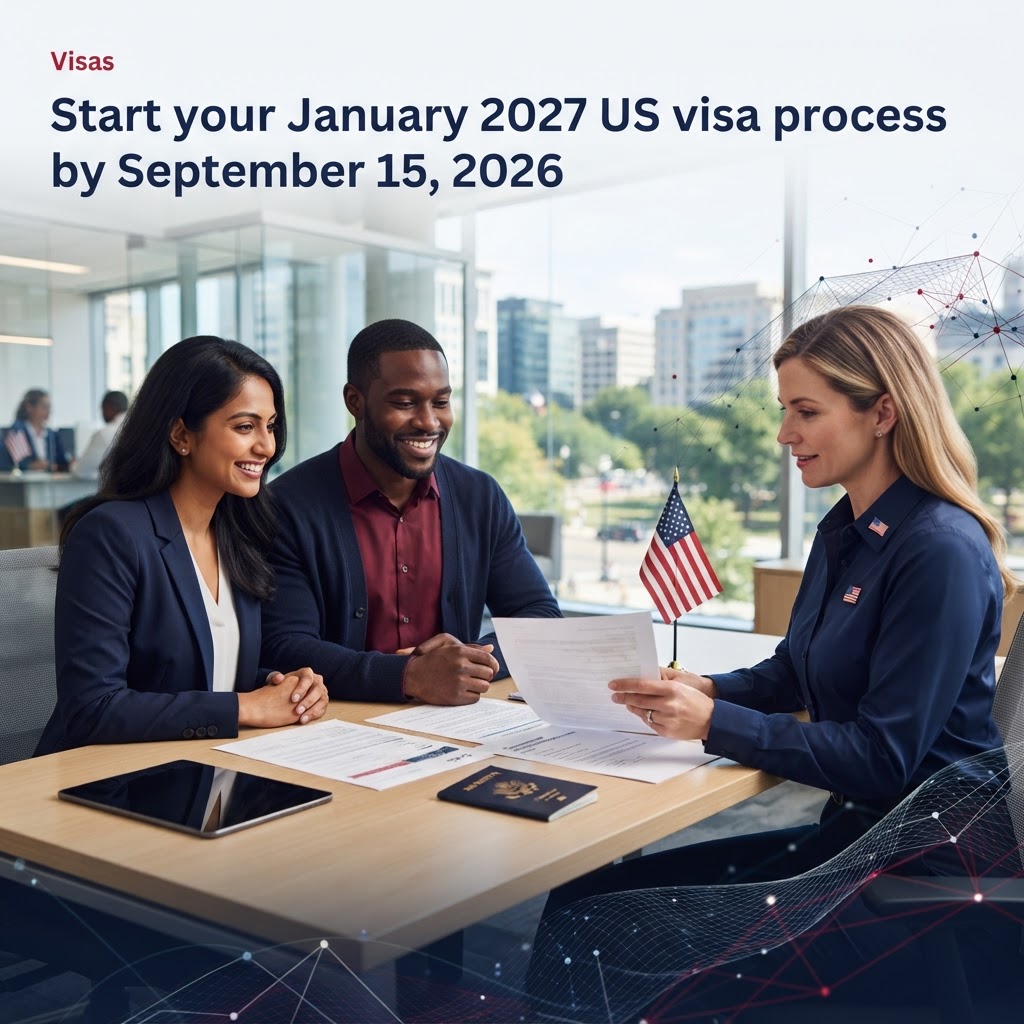
Timing Your Path to a US Classroom
Securing a US student visa is often the most anxiety-inducing step of the entire study abroad journey. Through my years assisting students at universities in Australia and Singapore, I have seen far too many bright candidates face unnecessary stress because they underestimated the administrative lead times required by the US Department of State. To ensure your seat in a lecture hall this coming academic year, you must treat your visa application like a formal project with strict, non-negotiable milestones.
Why the 120-Day Rule Matters
The US government allows students to apply for their F-1 visa up to 120 days before their program start date as listed on their Form I-20. Many students mistakenly assume that this is merely a recommendation; in reality, it is a strategic window. If you wait until the last minute, you risk running into administrative processing delays that are entirely outside of your control. By submitting your DS-160 application early, you provide yourself a buffer for interview scheduling and potential document verification.
Mapping Your Application Timeline
To stay on track, break your prep into clear phases. First, you must receive your I-20 document from your designated school official. According to Travel.State.Gov, you cannot proceed with your visa interview without this specific document. Once you have it, pay your I-901 SEVIS fee immediately. Delaying this payment is a common trap that stalls the entire process for many applicants.
From the field: In my years advising students, the most common mistake I see is not the lack of documentation, but the lack of an interview slot. Students often assume they can walk into a consulate on a whim. During peak seasons, wait times for appointments at major embassies can stretch for weeks or even months. Booking your slot the moment your I-20 arrives is the single best way to ensure you make it to orientation on time.
The Role of Administrative Processing
Sometimes, a visa application is placed under 'administrative processing,' which is a secondary screening process. While this does not necessarily mean your visa will be denied, it can add weeks of waiting time. This is exactly why the 120-day window is not just a suggestion—it is an insurance policy. If your application triggers a security review, having applied four months out gives you the best statistical chance of resolving the issue before classes begin.
Tips for Your Visa Interview
Preparation for the embassy interview is about clarity and consistency. The consular officer is looking for two main things: that you are a genuine student who intends to return home after your studies, and that you have the financial resources to support yourself. According to guidelines from EducationUSA, your documentation should be organized, concise, and easy to access during the interview. Avoid rehearsing robotic answers; instead, be ready to discuss your academic goals and how your chosen US degree fits into your long-term career trajectory.
Managing Documentation Efficiency
Gather your financial support documents early. Ensure your bank statements are dated within the last three to six months and clearly show the liquid assets required to cover your tuition and living expenses for at least the first year. Having these in order before you even book your visa appointment prevents a panic-induced scramble. Remember, the goal is to make the officer's job easy; a well-organized file folder with tabbed documents demonstrates both your preparedness and your seriousness as a student.
Ultimately, the transition to studying in the US is a massive milestone. By respecting the 120-day timeline and keeping your documentation pristine, you move from a place of uncertainty to a position of control. Do not leave your future to the whims of courier delays or seasonal consulate congestion. Plan early, act decisively, and focus on your academic preparation rather than visa paperwork in those final weeks before departure.
Disclaimer: This content is for informational purposes only and does not constitute legal or financial advice. Always consult with official government sources or your school's international student office regarding your specific immigration situation.
⚠️ Last verified: 2026-11-15. Policies and fees change frequently — always confirm with the official source linked above before making decisions.